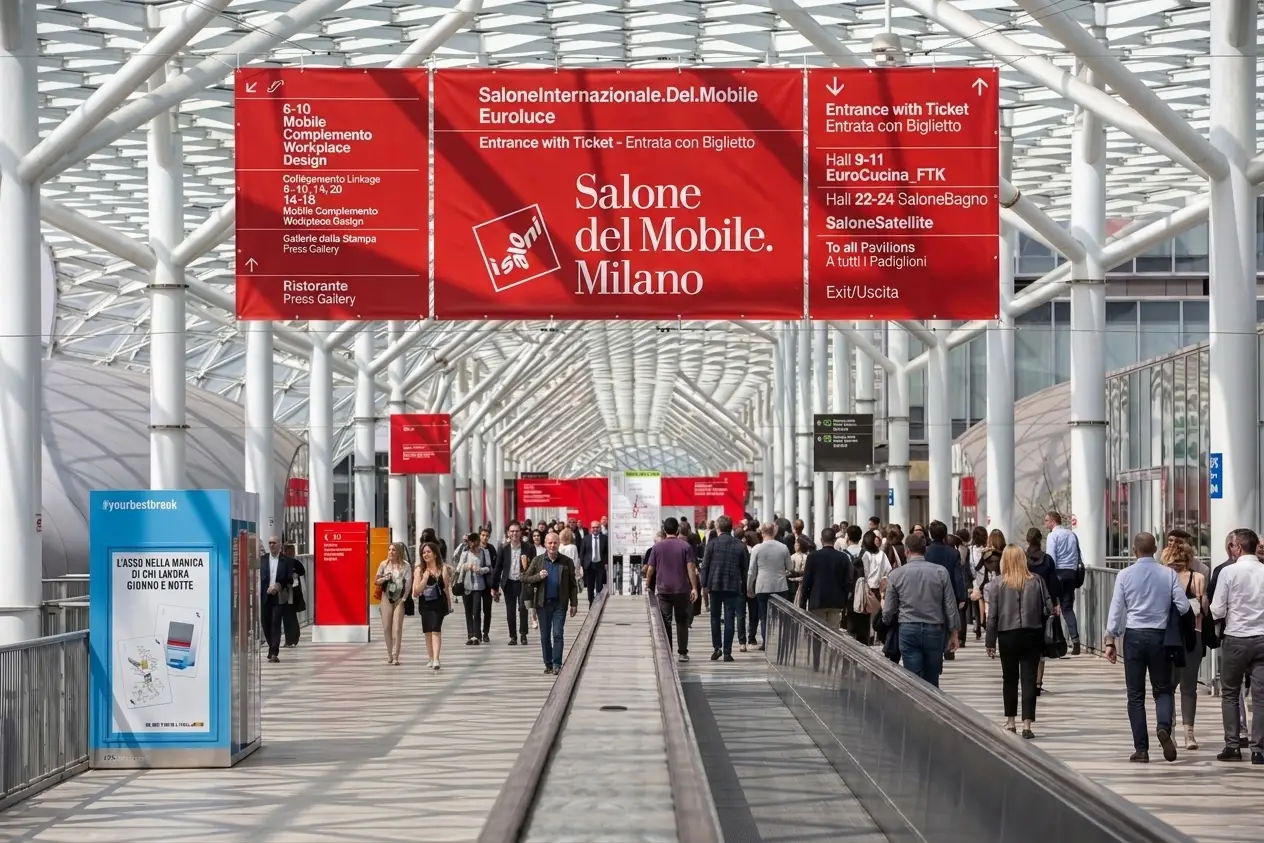
Since its founding in 1961, Salone del Mobile.Milano has evolved from a national furniture showcase into a global benchmark for interior design, architecture, and lifestyle. Today, the Milan Design Fair, together with fashion-led exhibitions and immersive installations at Fuorisalone, goes far beyond a traditional showcase - it actively defines the direction of the global design industry, shaping what we recognize as Milan Design Week.
With over 316,000 visitors from 167 countries and nearly 1,900 brands, this year’s Salone del Mobile 2025 once again confirmed its global influence. But beyond the numbers, a deeper message emerged: design is no longer just about aesthetics - it is a complex synthesis of materials, craftsmanship, engineering, and brand storytelling.
Below are the key insights from the Enterijer Janković team at Salone del Mobile 2026 capturing the key shifts shaping the market and defining emerging trends in contemporary luxury.
Salone del Mobile 2026 - Design as a system, not a product
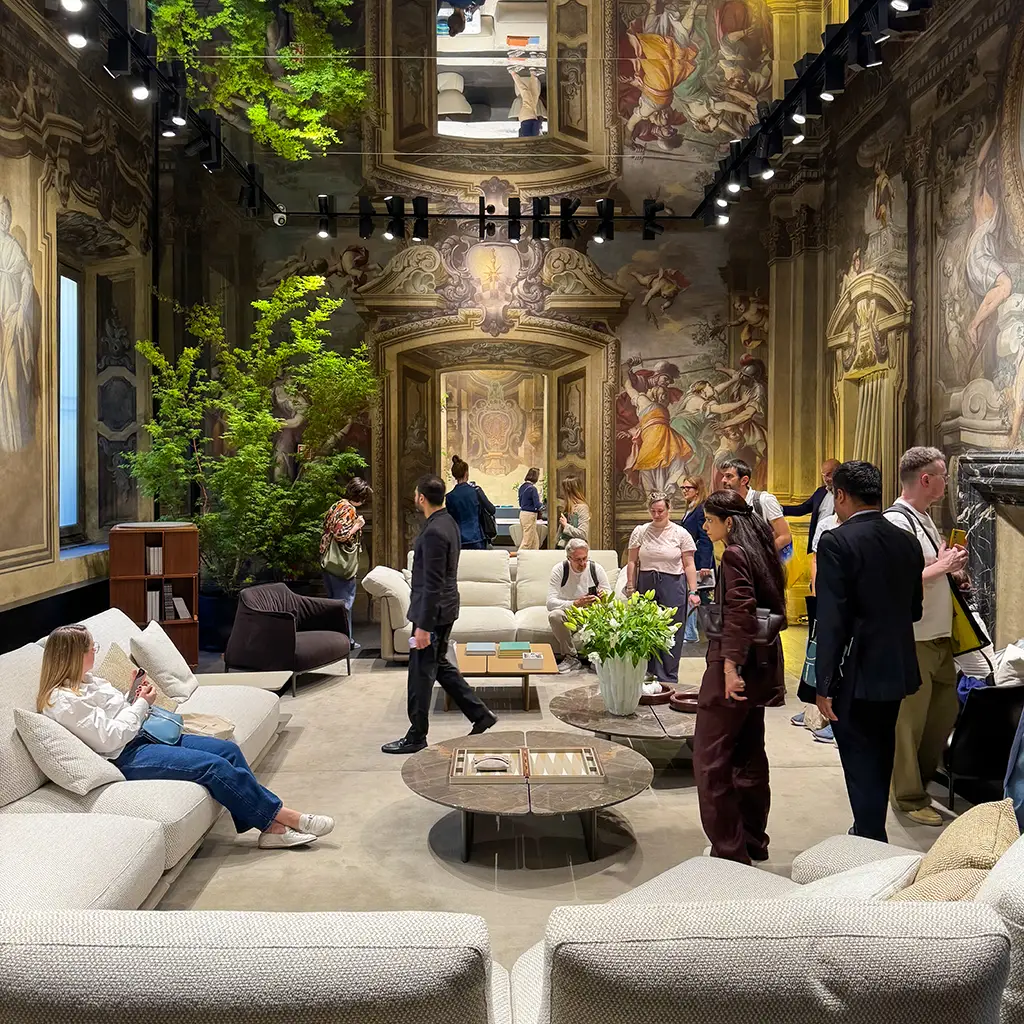
While previous years focused on individual pieces, 2026 clearly shifts the narrative toward space as a system. Furniture is no longer a standalone object; it exists within a broader framework that includes architecture, lighting, materials, and user interaction.
For EJ Group, this reinforces a direction already shaping premium interiors: spaces that are not only visually striking at handover but remain technically, materially, and aesthetically relevant over time.
This approach is evident in brands like Poliform, Minotti i Molteni&Cwhere products are conceived as flexible systems rather than isolated items. Meanwhile, Visionnaire goes a step further, treating interiors as immersive narratives with identity, atmosphere, and emotional logic.
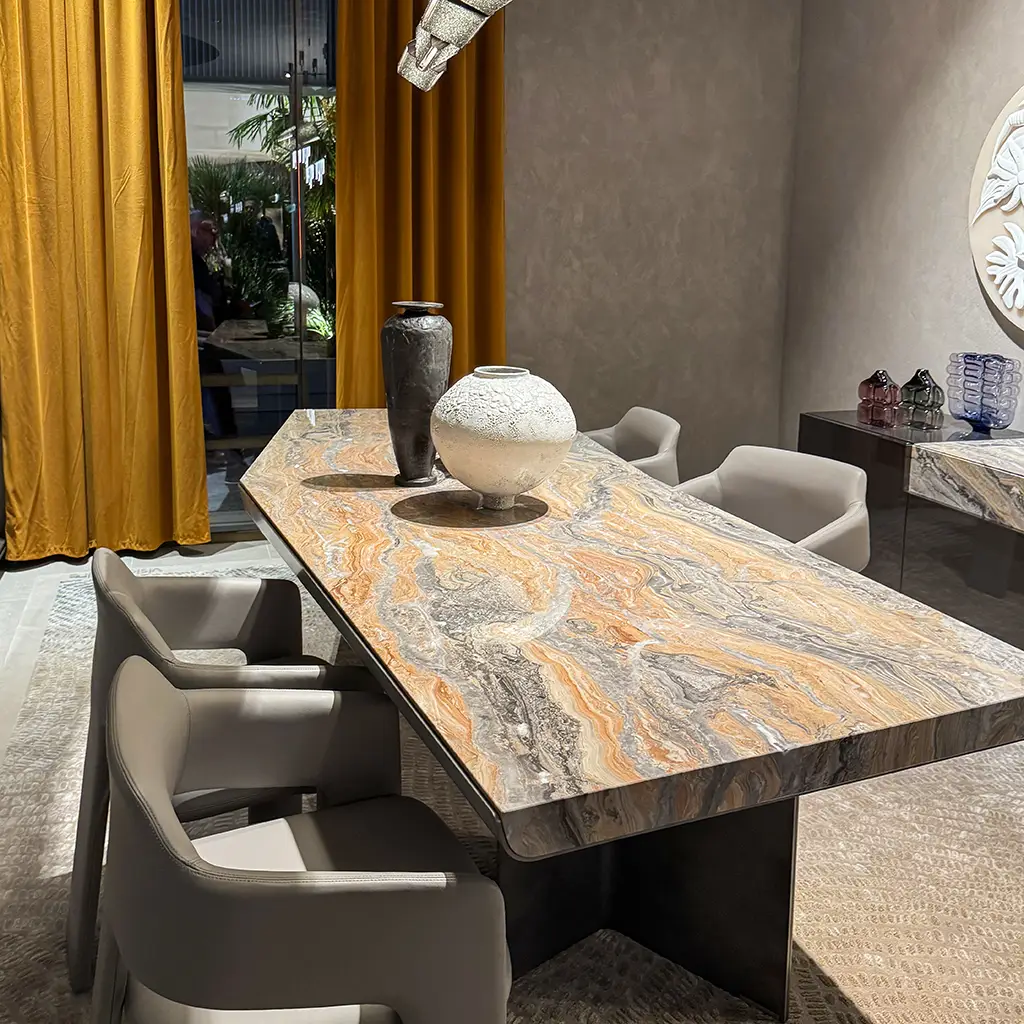
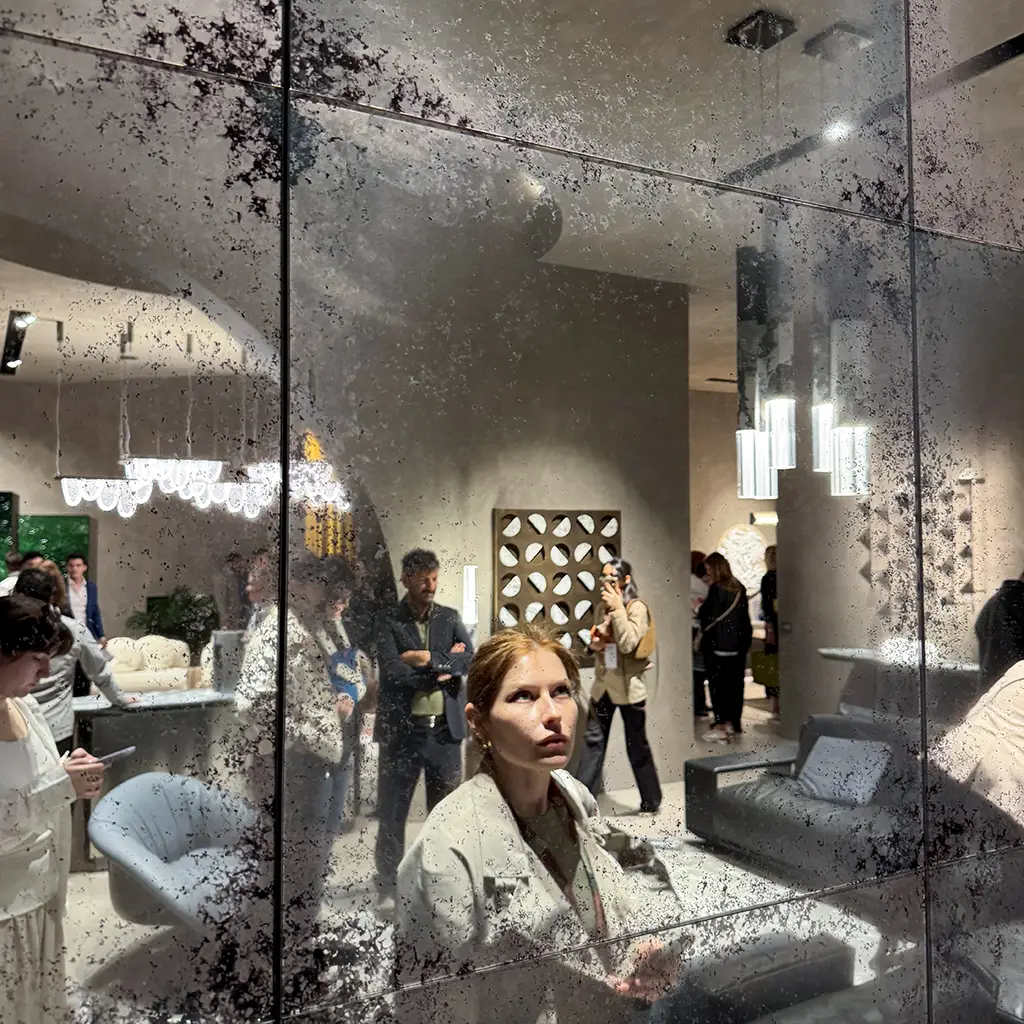
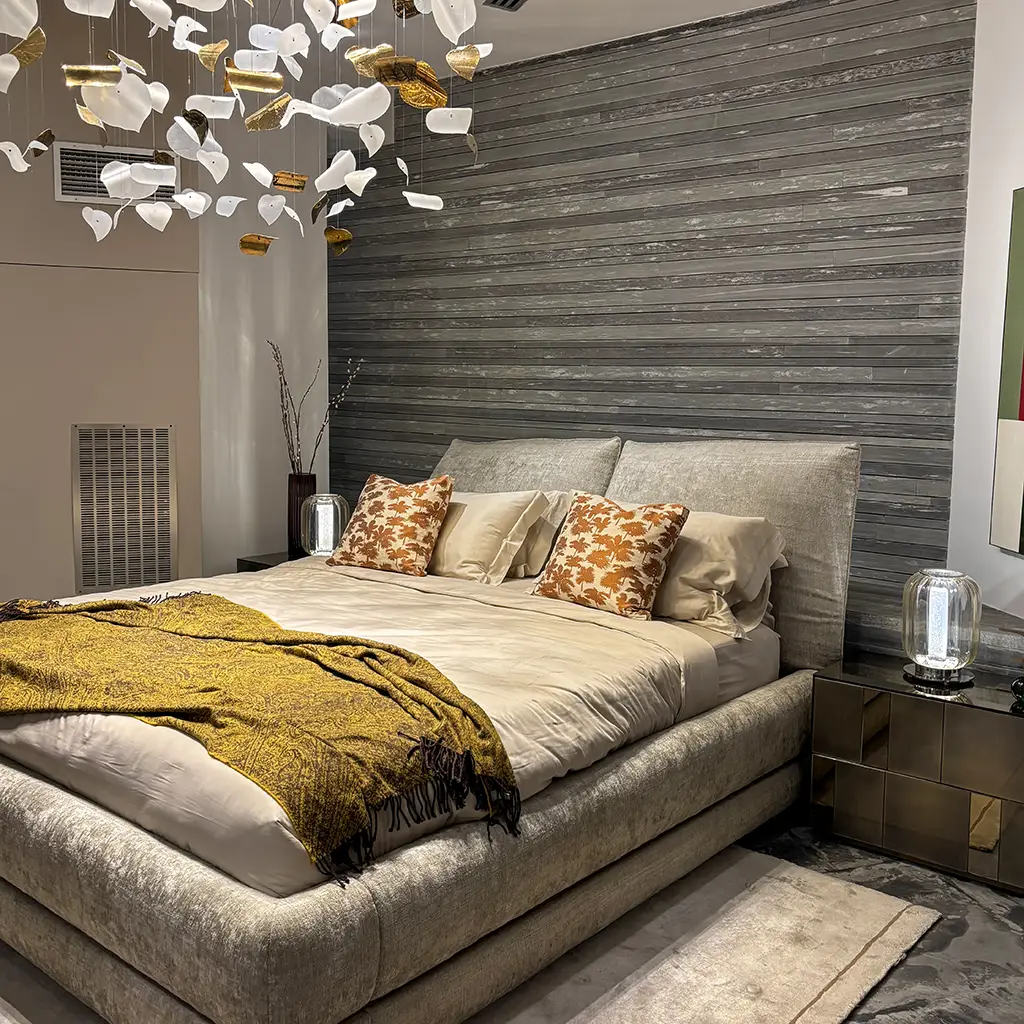
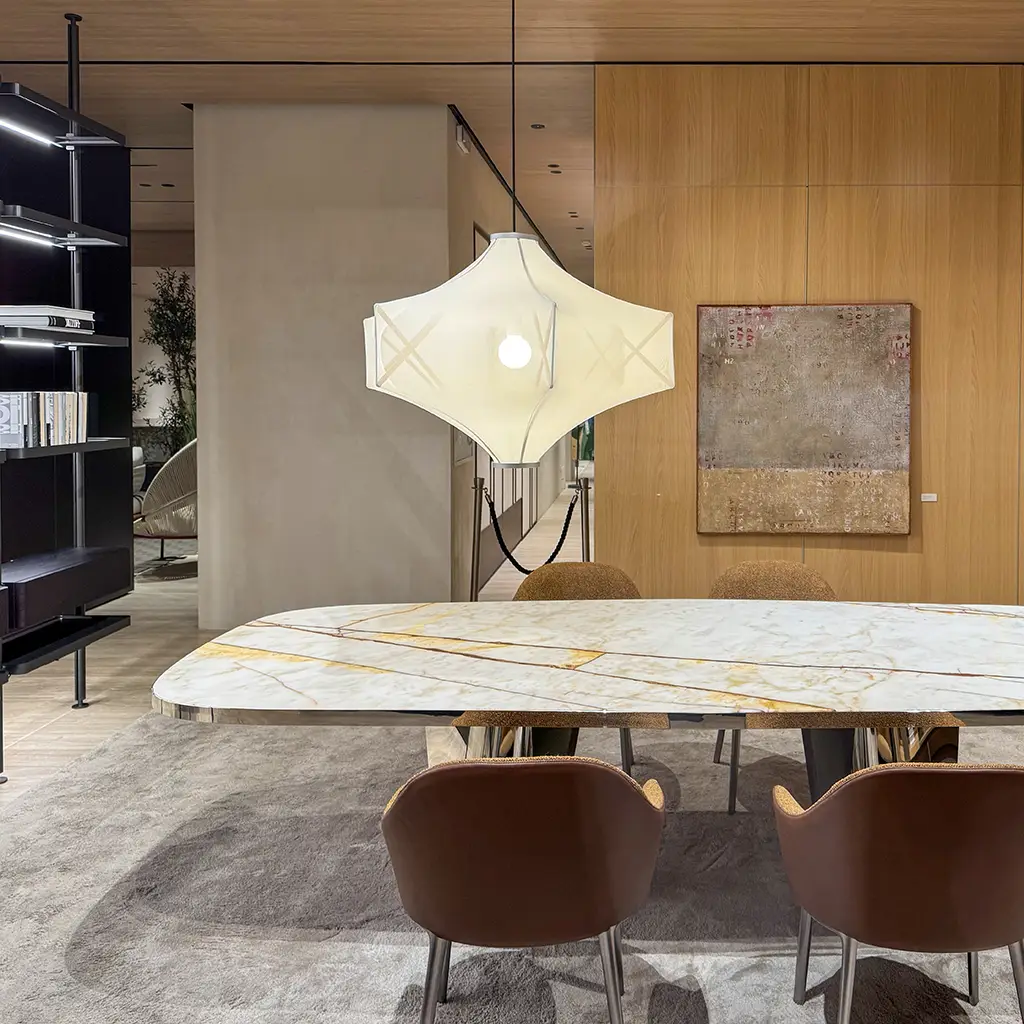
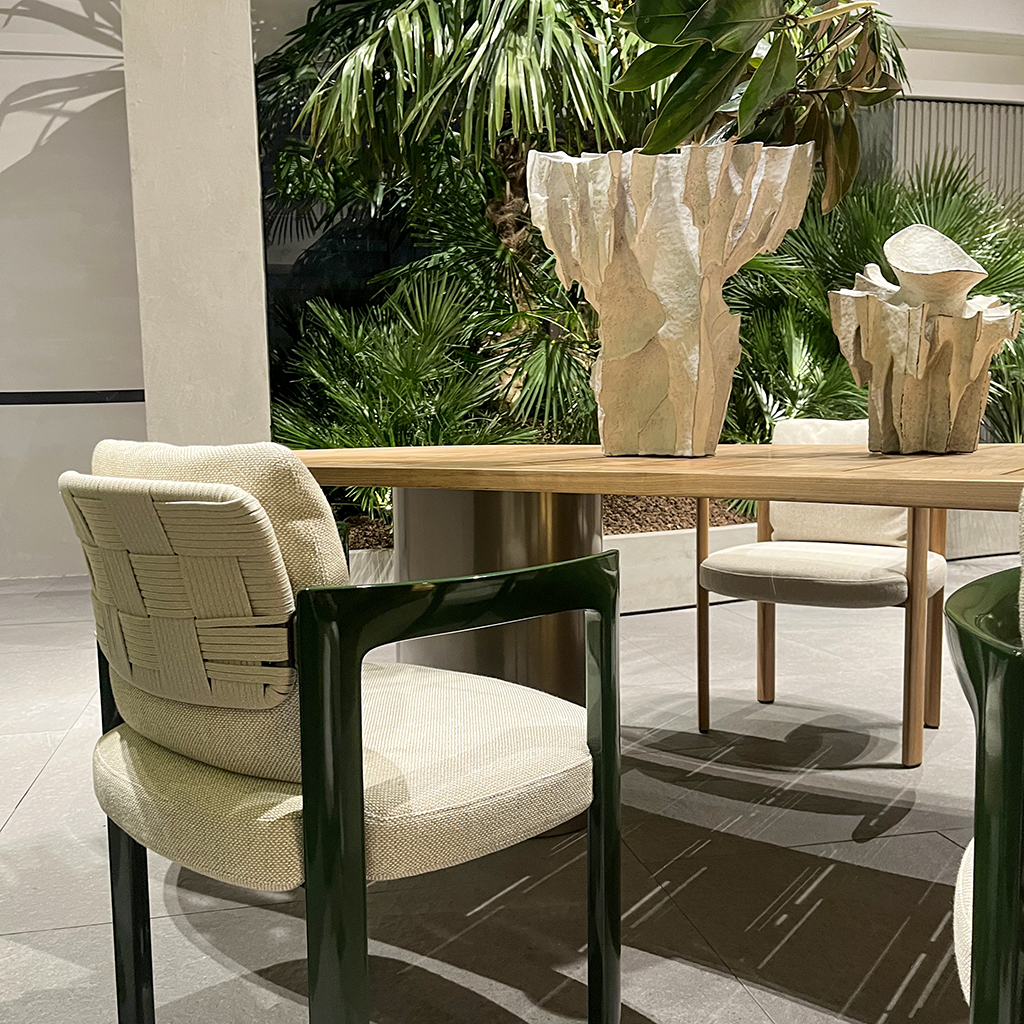
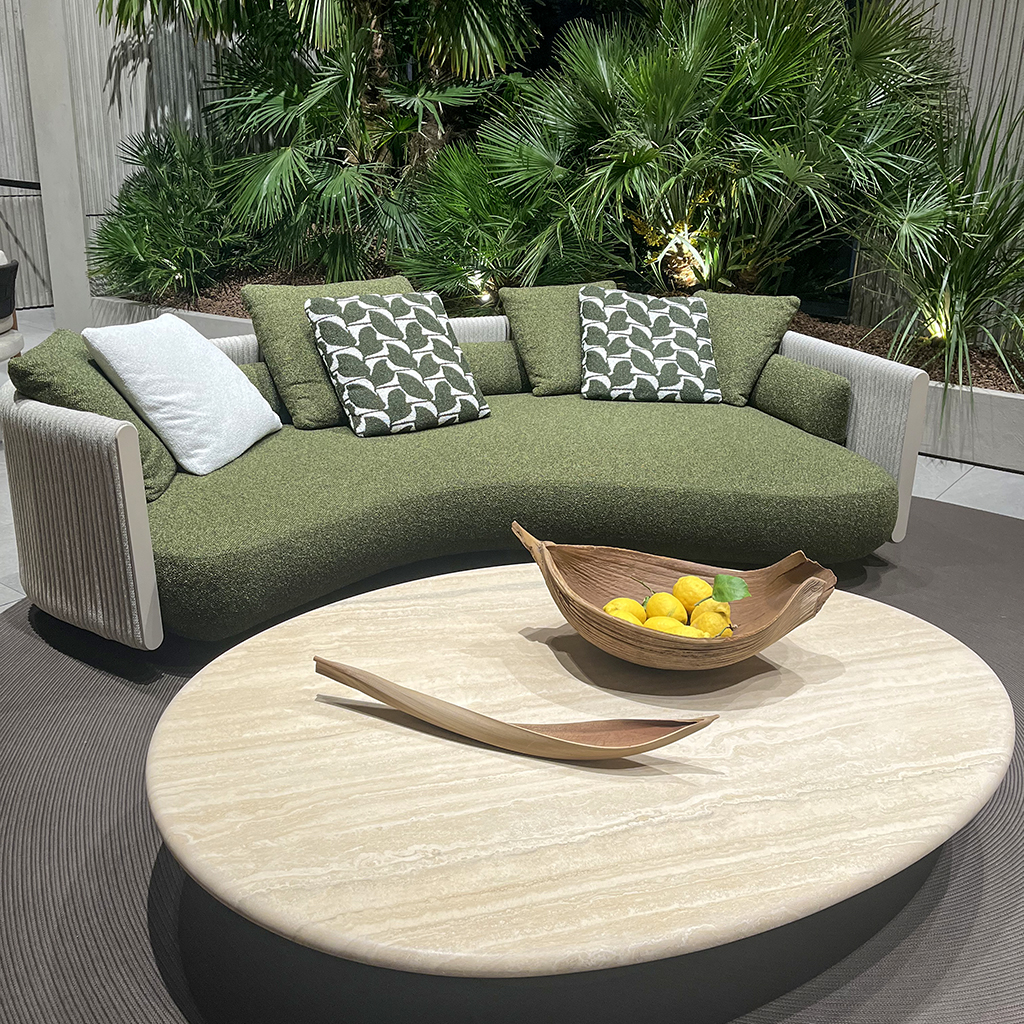
In this context, the line between design and execution is increasingly blurred. The real value lies in translating ideas into precise, durable, and highly coordinated realities.
Material as Experience, Not Mere Surface
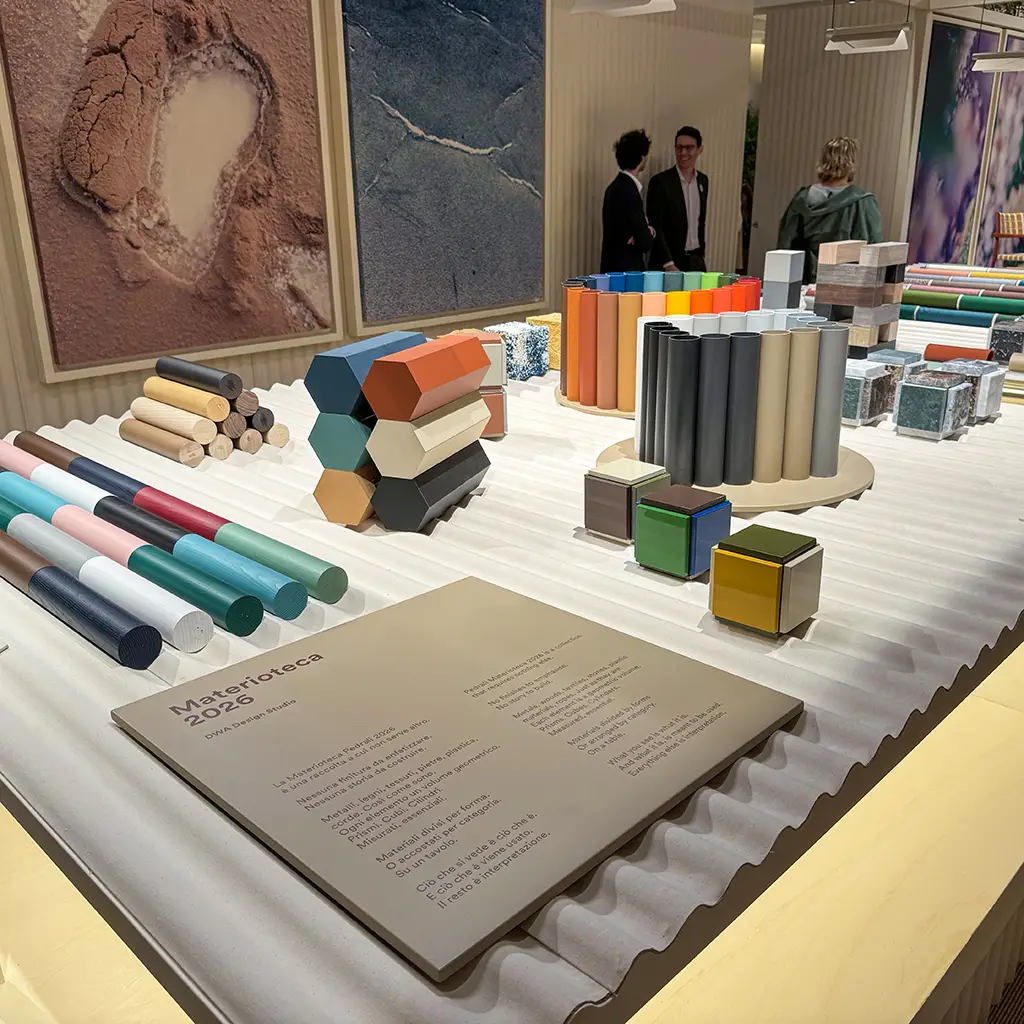
One of the strongest impressions from the Milan Design Fair this year is the return to material authenticity.
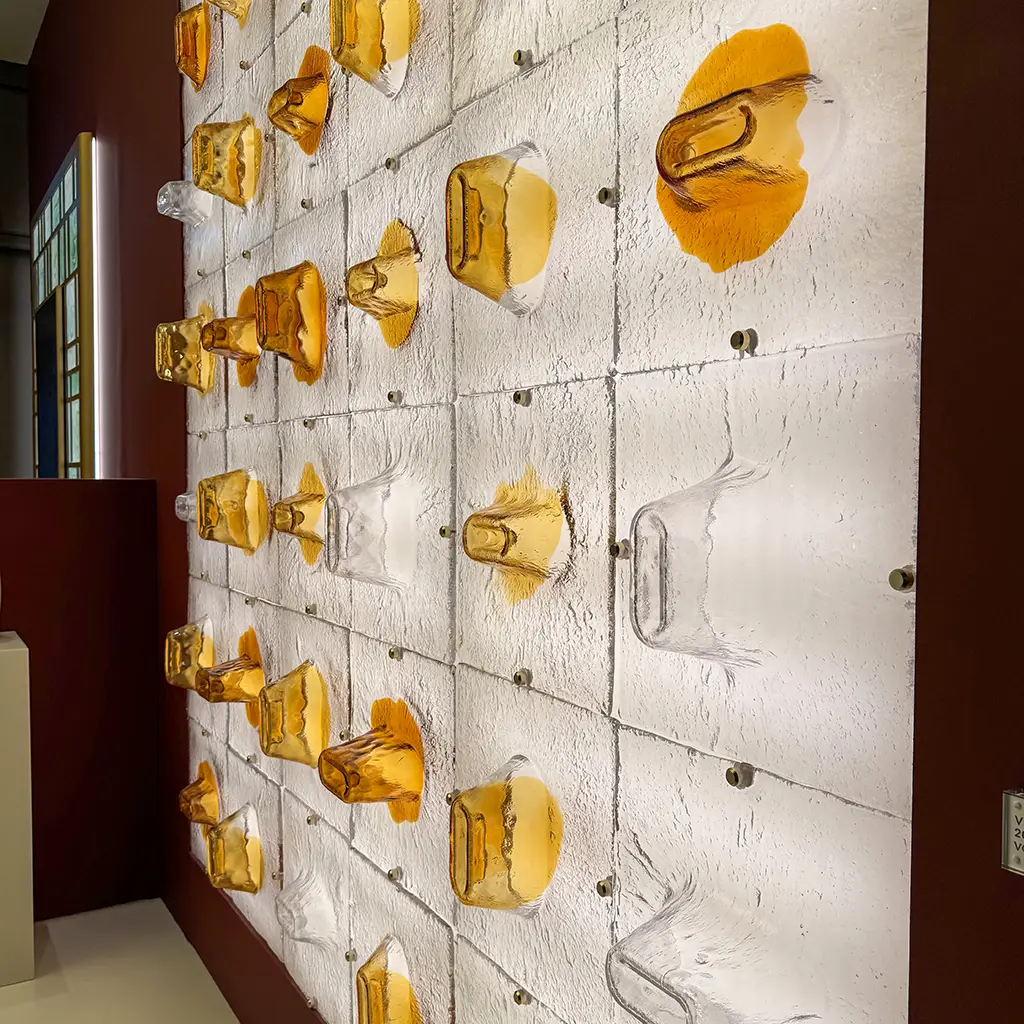
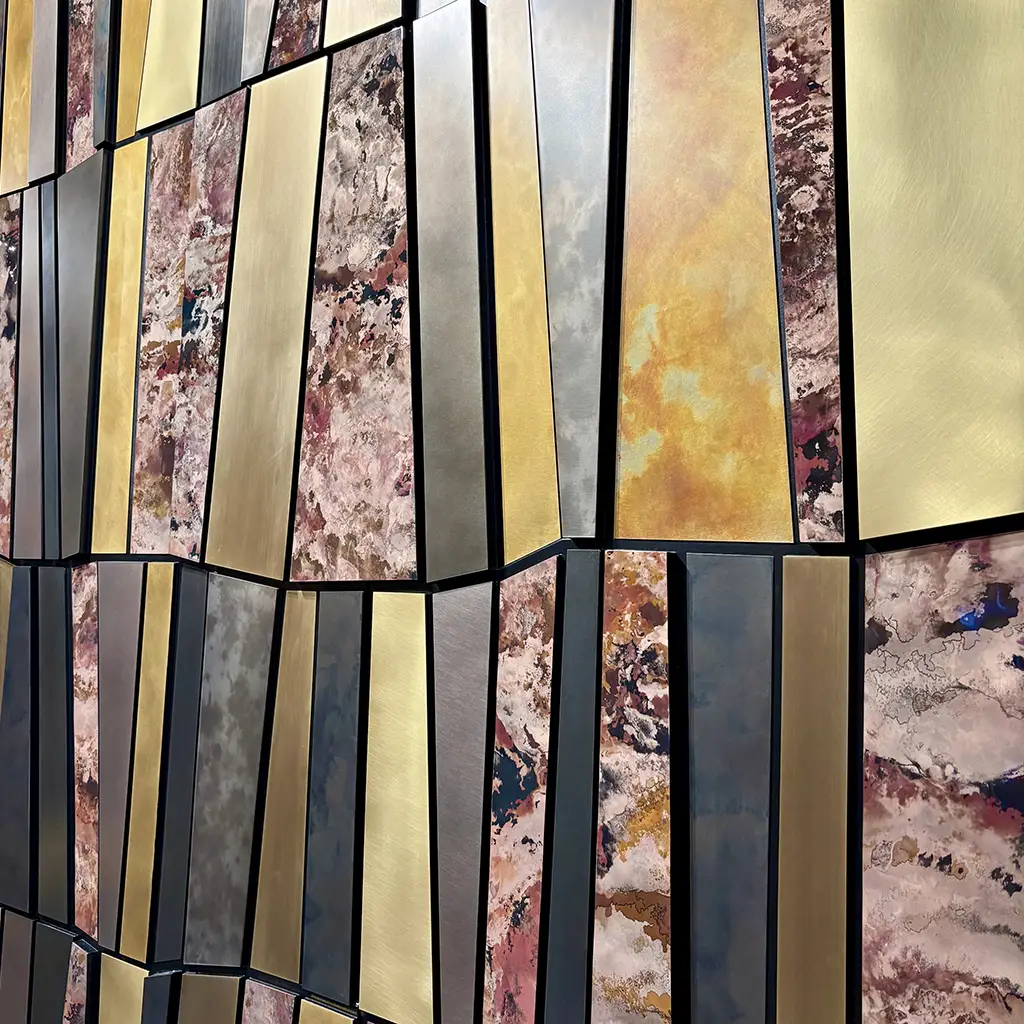
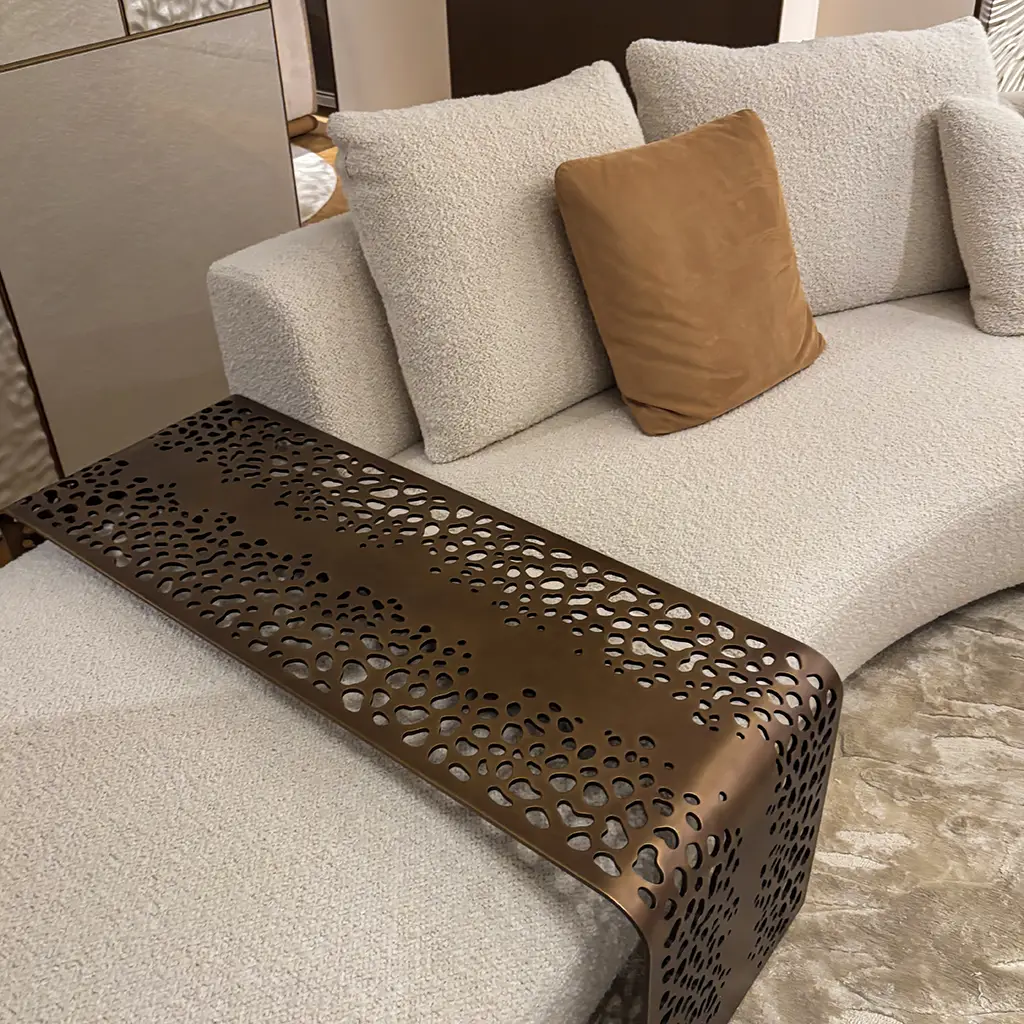
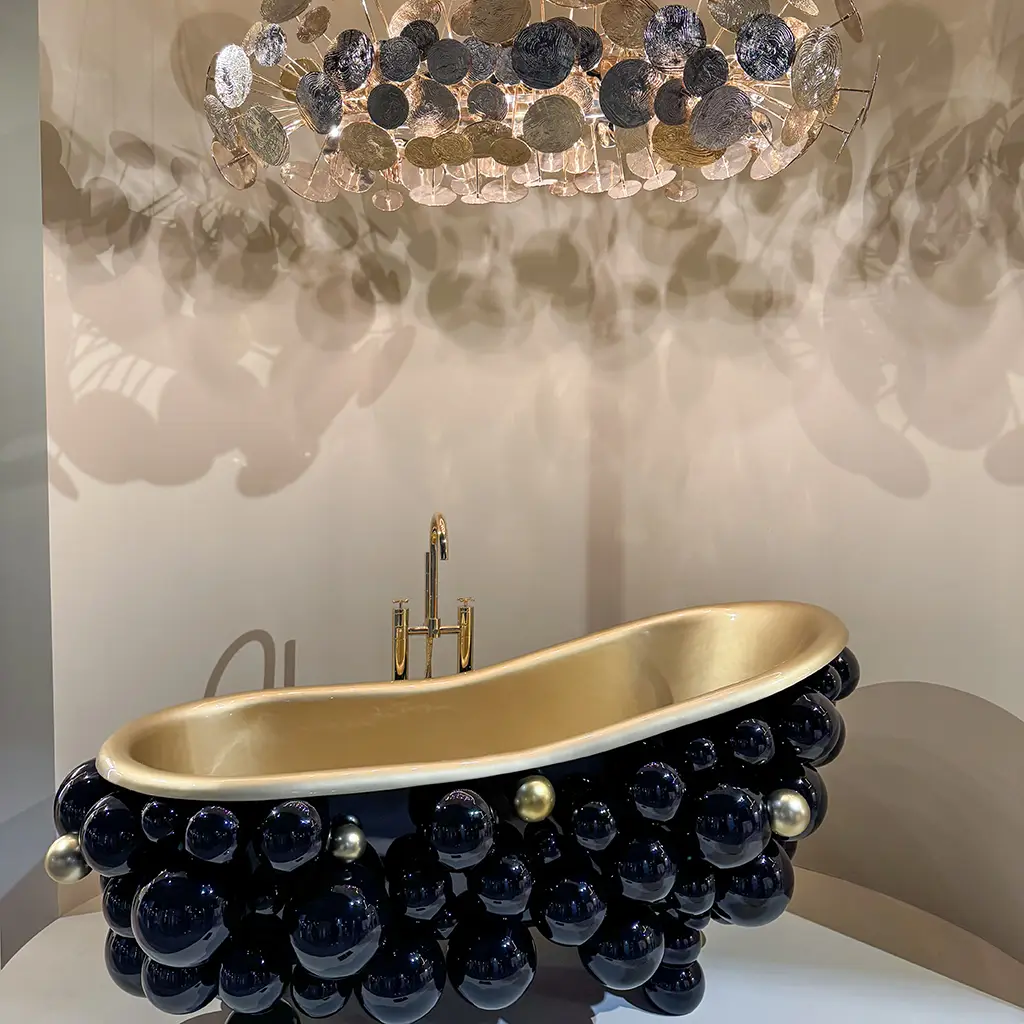
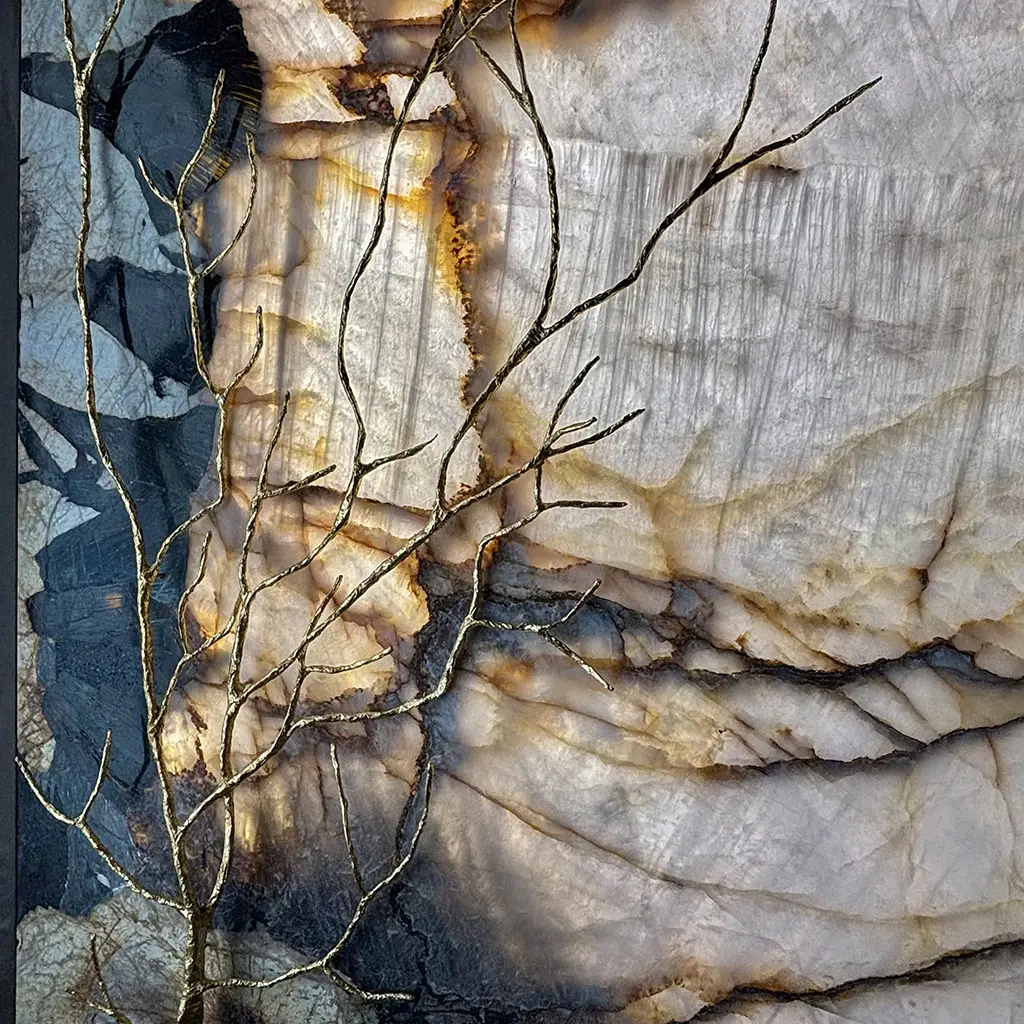
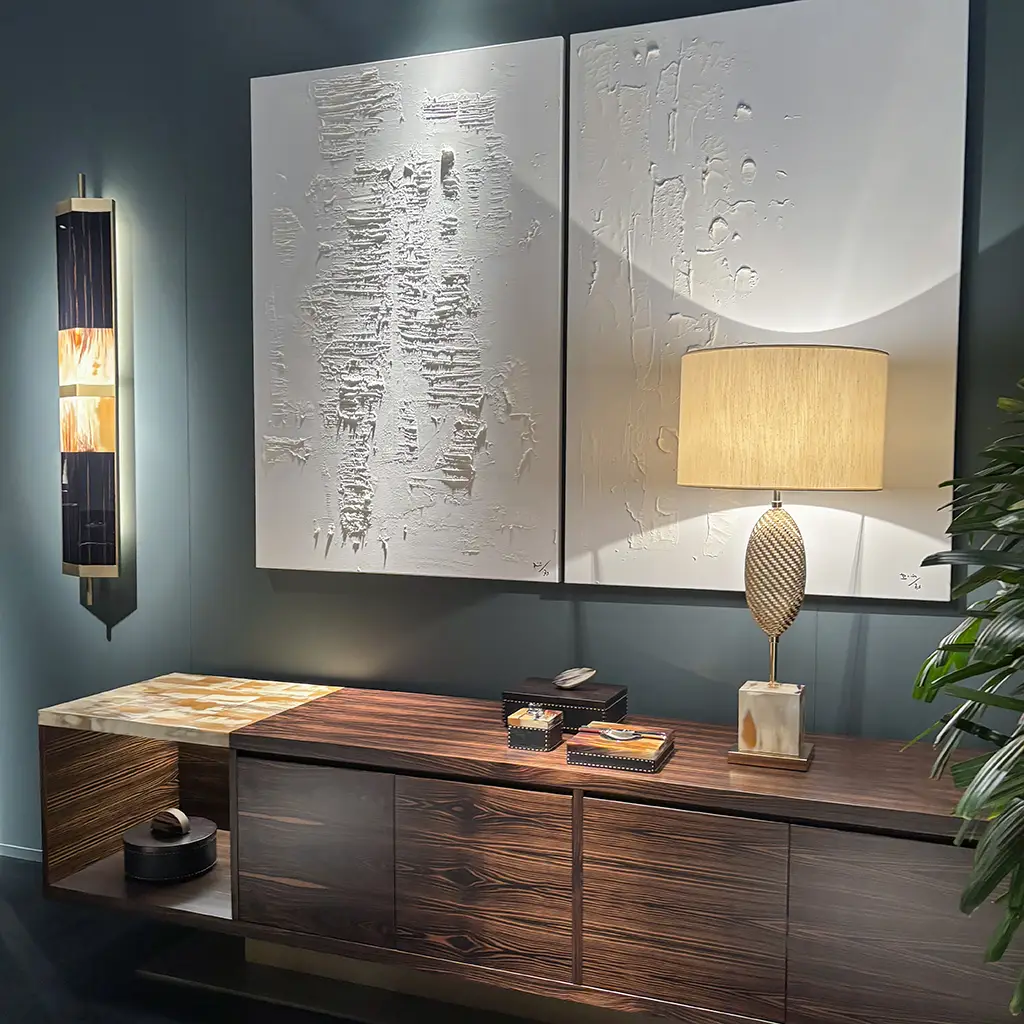
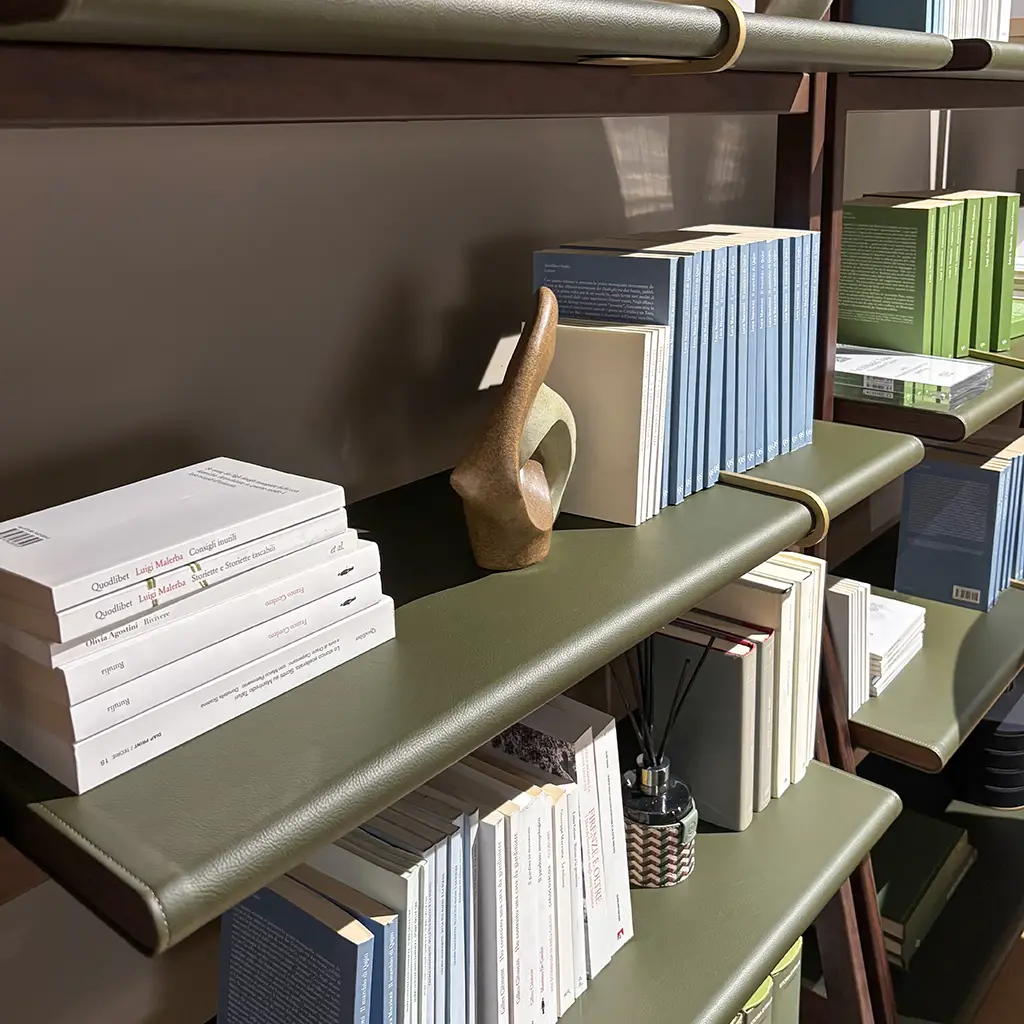
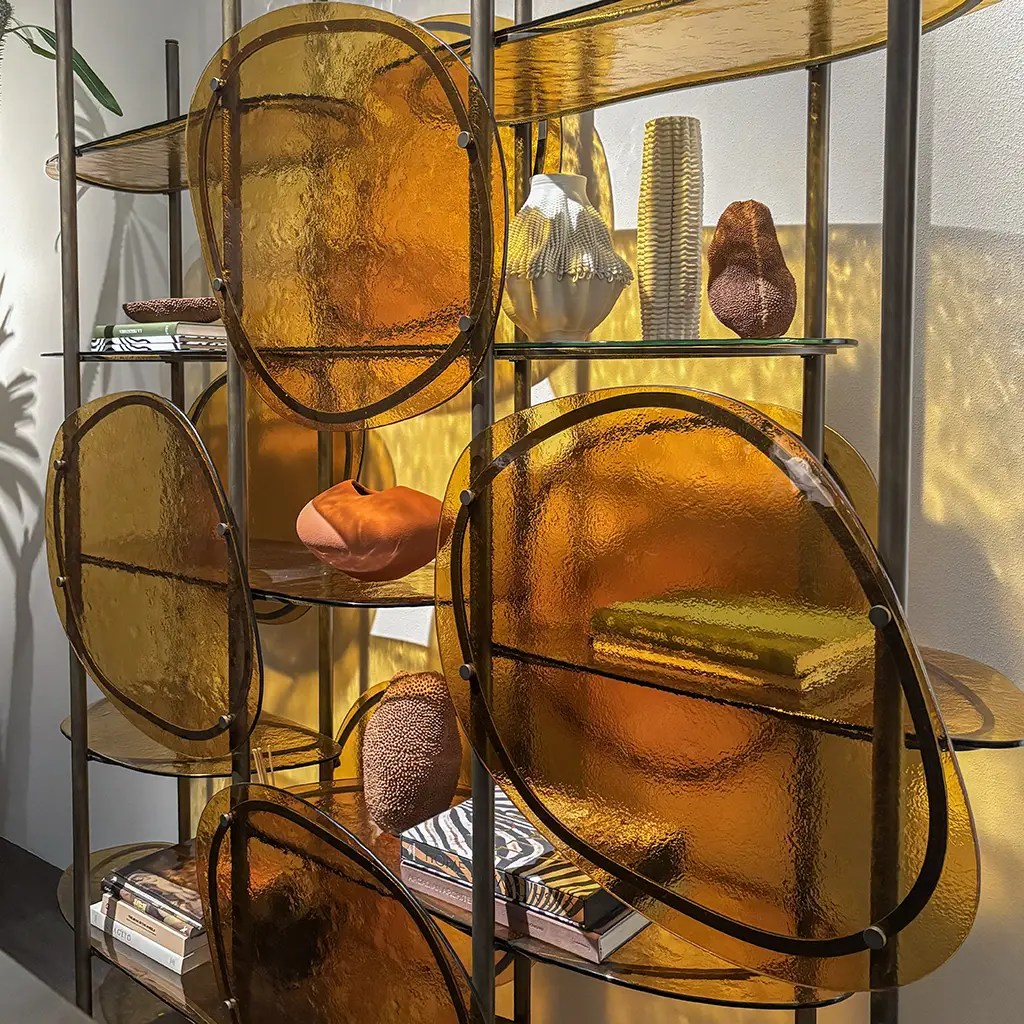
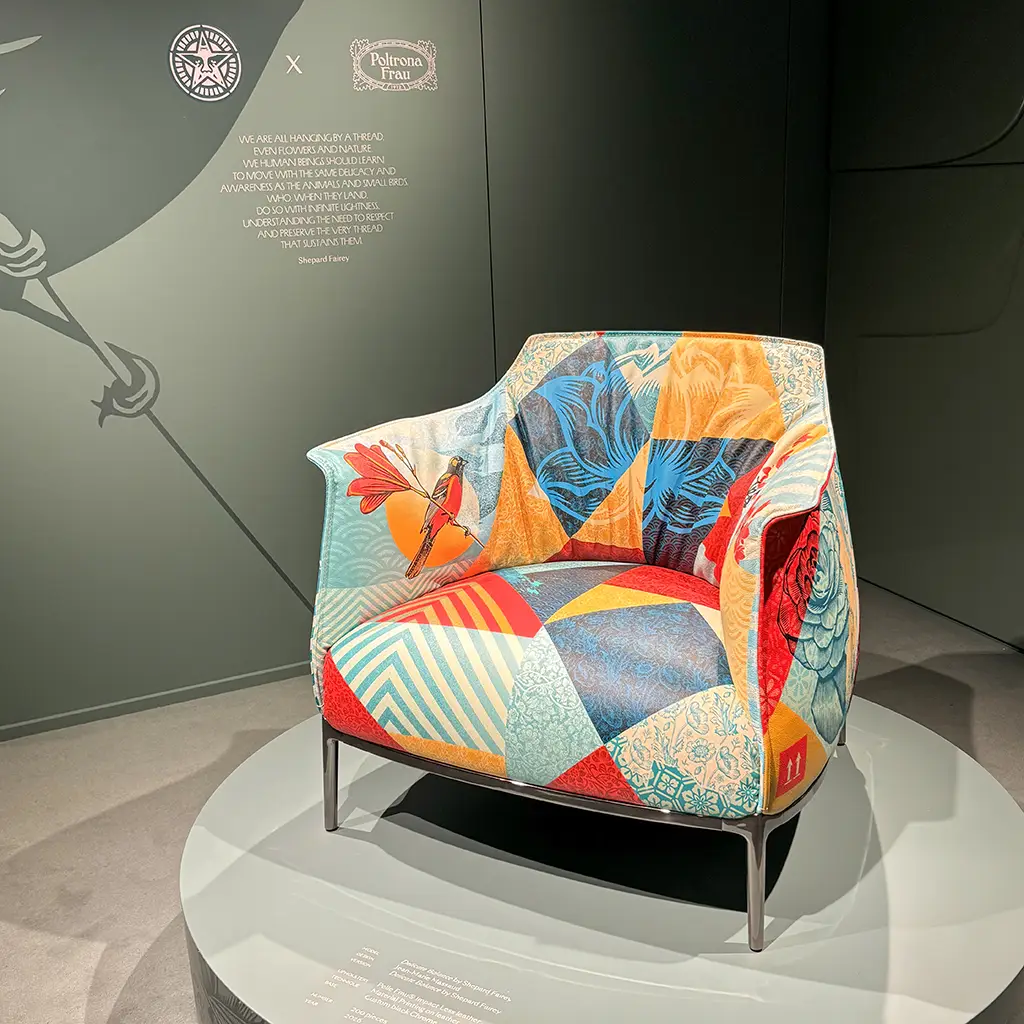
Wood with visible grain, stone with pronounced veining, patinated metals, and leather that ages gracefully - all are used in ways that celebrate their natural character rather than conceal it. Poltrona Frau demonstrates how luxury is built through tactility and precision, while De Castelli pushes metal into sculptural territory.
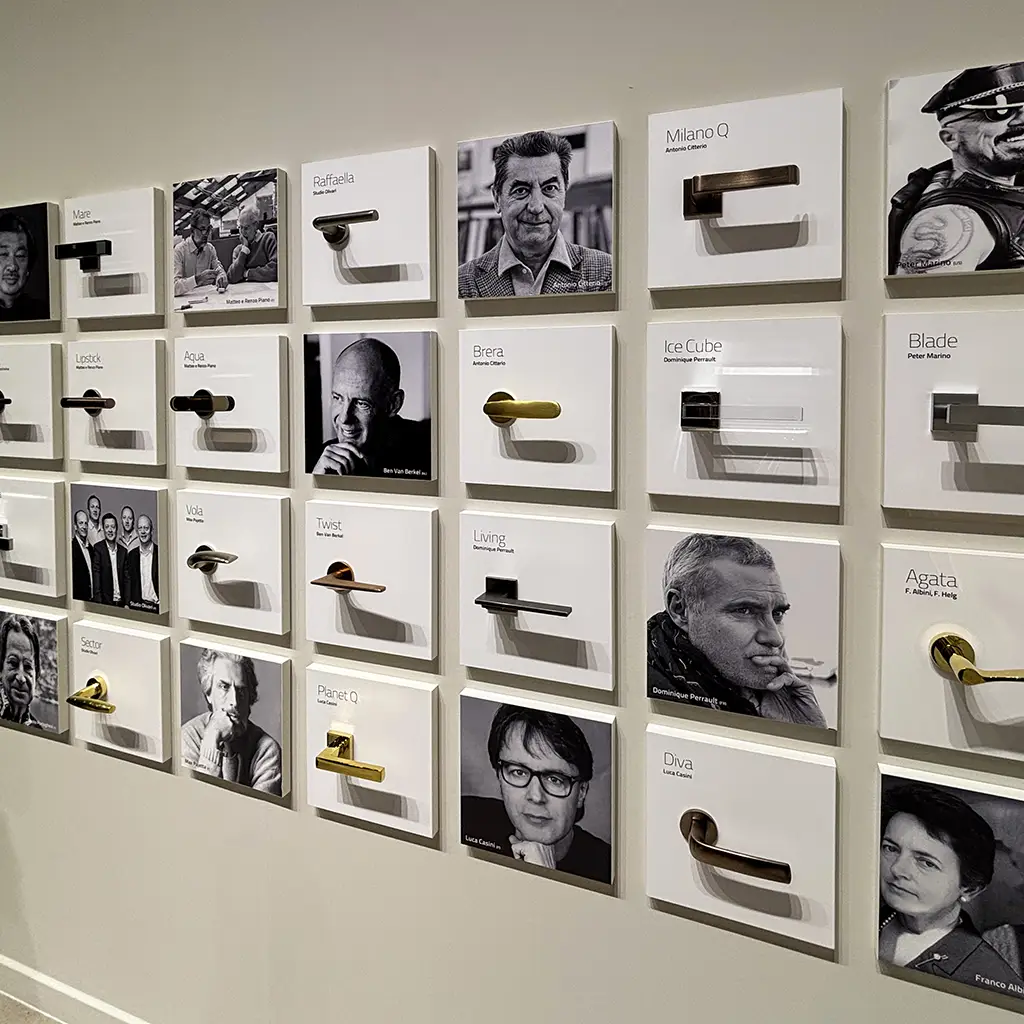
Even once-hidden details like joints, edges, and hardware are now intentionally exposed. Brands like Olivari show how technical precision itself becomes an aesthetic statement.
Craftsmanship in the Age of Technology
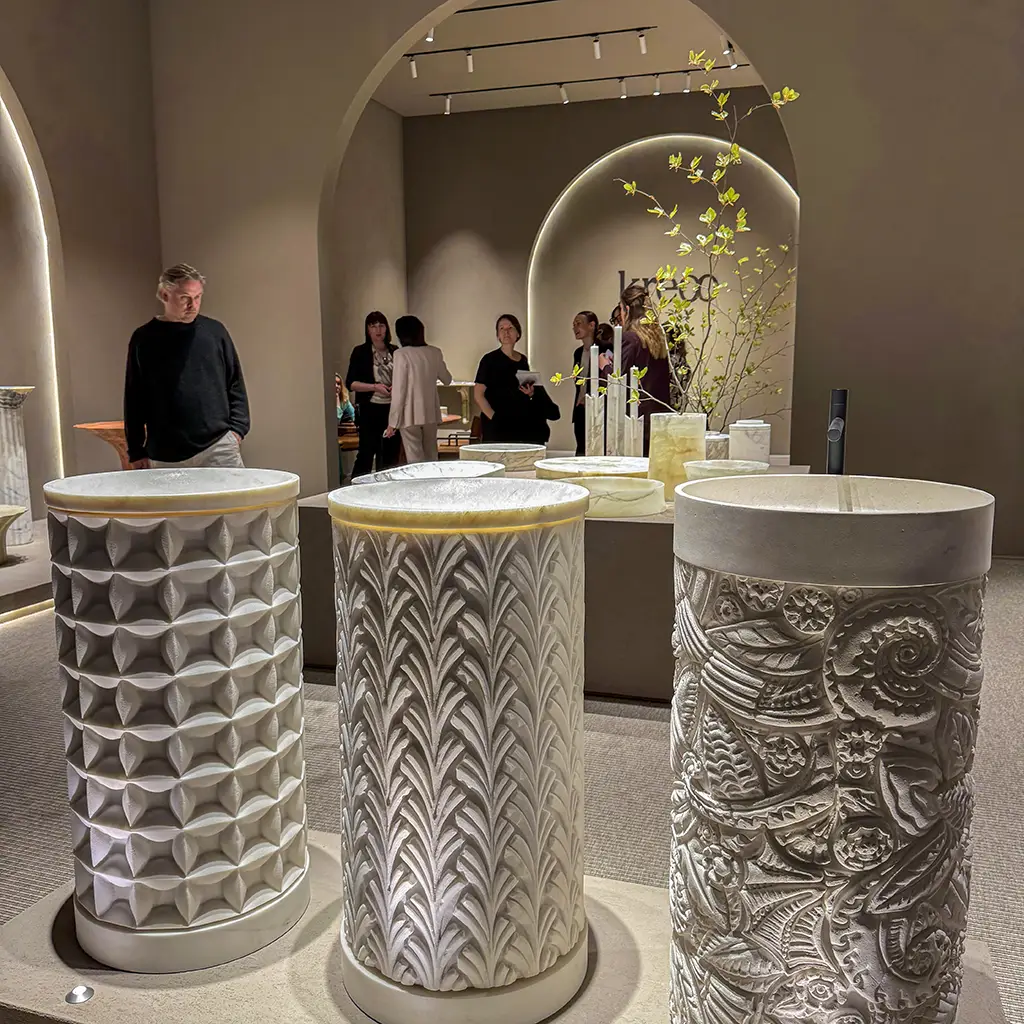
Perhaps the most compelling paradox of Salone del Mobile Milano is the coexistence of advanced technology and a renewed focus on craftsmanship. As AI and automation reshape production, the luxury segment responds with authentic handmade processes, tactile finishes, and visible traces of human work. Textiles, ceramics, and hand-finished surfaces are no longer secondary; they define value.
This is not nostalgia, but a conscious counterbalance to speed and uniformity. Luxury is increasingly defined not by the complexity of form but by the honesty of material and process.
Curves That Shape the Way We Live
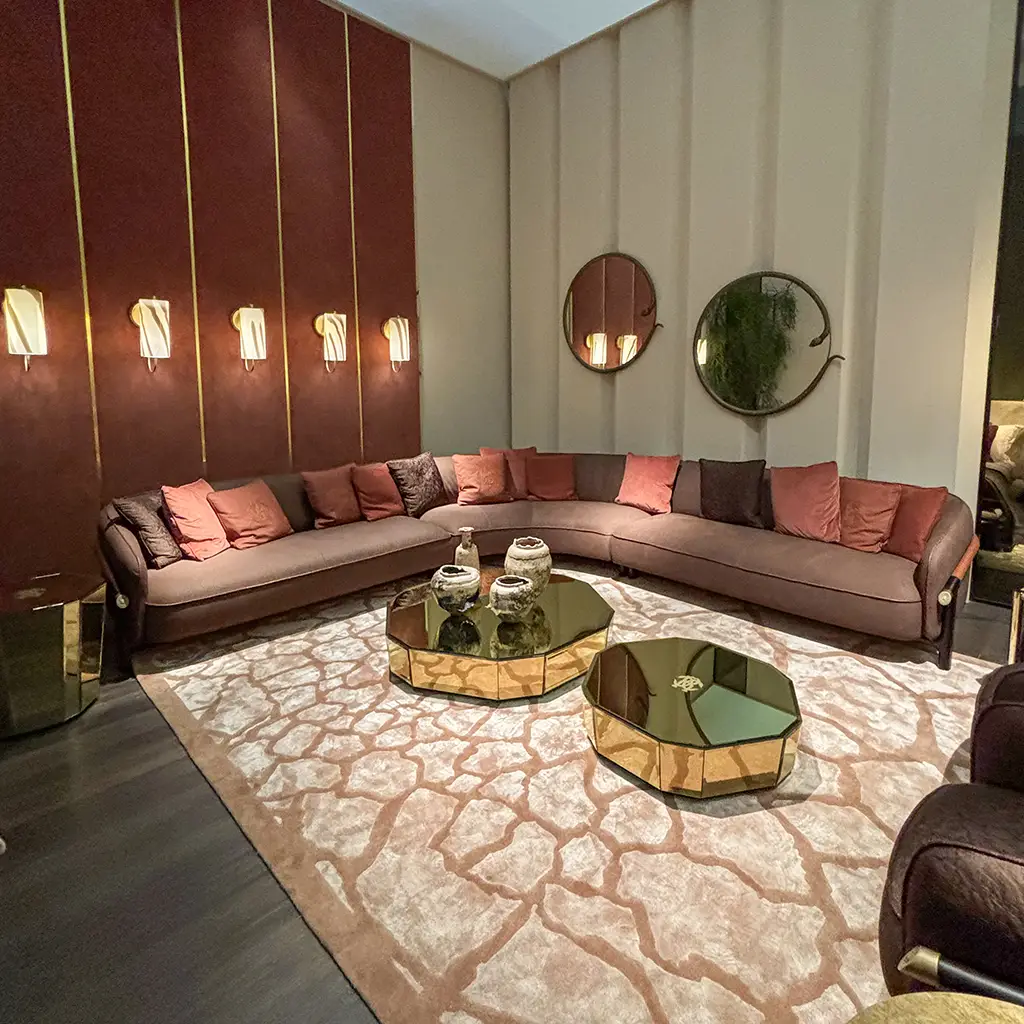
The soft, rounded, tactile forms seen in previous editions of the Furniture Fair Milan evolve further in 2026. Sofas and armchairs are no longer just functional; they act as architectural elements. Large, modular, cocoon-like structures shape the space around them, dissolving the boundary between furniture and architecture. Interiors are no longer static - they adapt to the user.
Colors and Finishes: Subtle, Yet Expressive
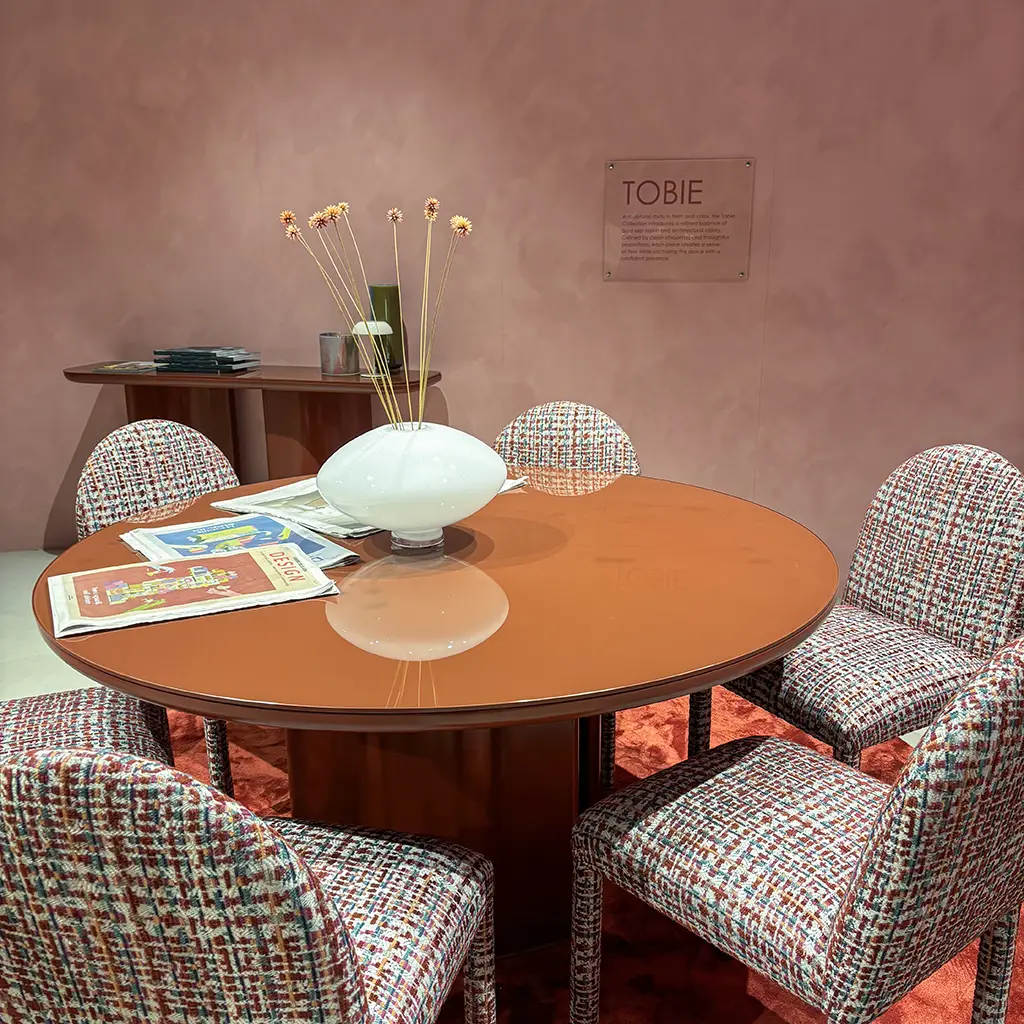
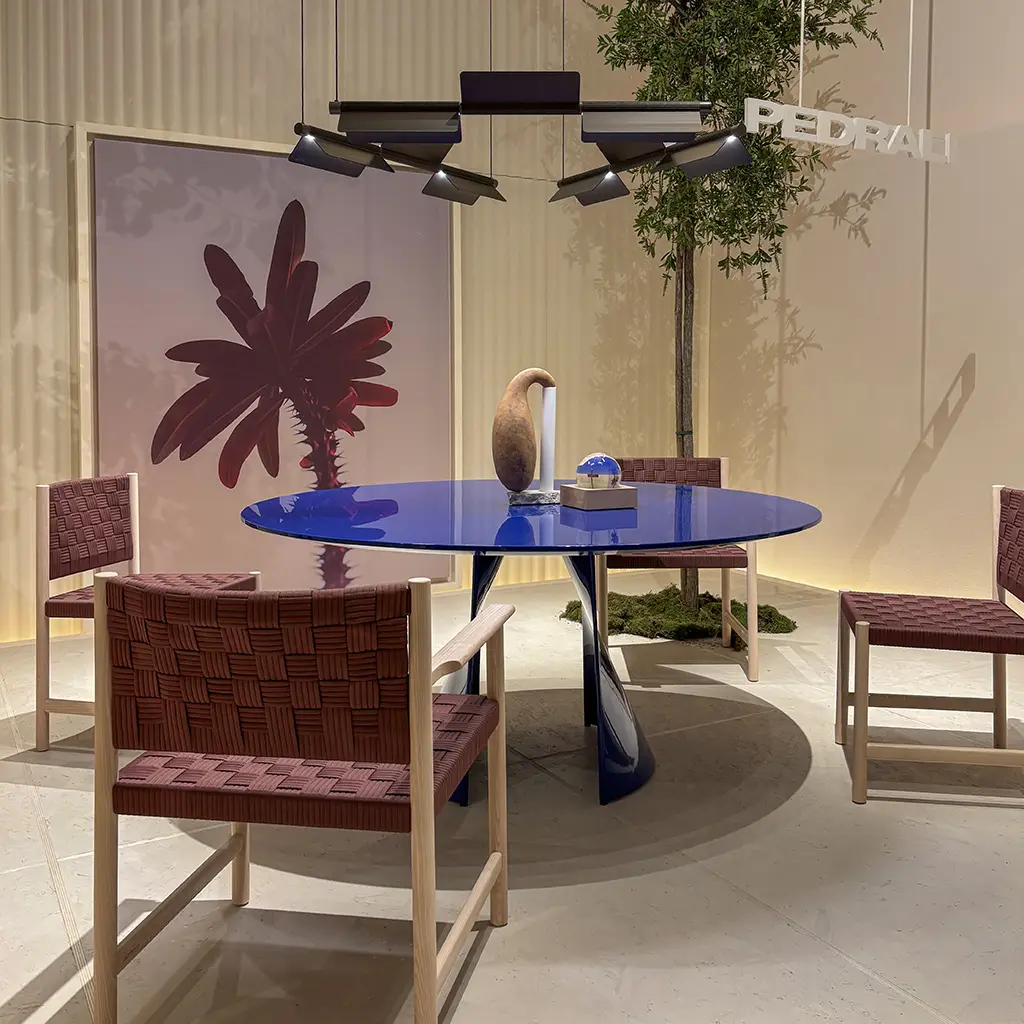
This year’s palette balances neutrality with character. Beige, sand, and warm greys remain foundational, complemented by richer accents including earth tones like terracotta, muted oranges, and greens, alongside fresher notes of yellow, blue, and mint.
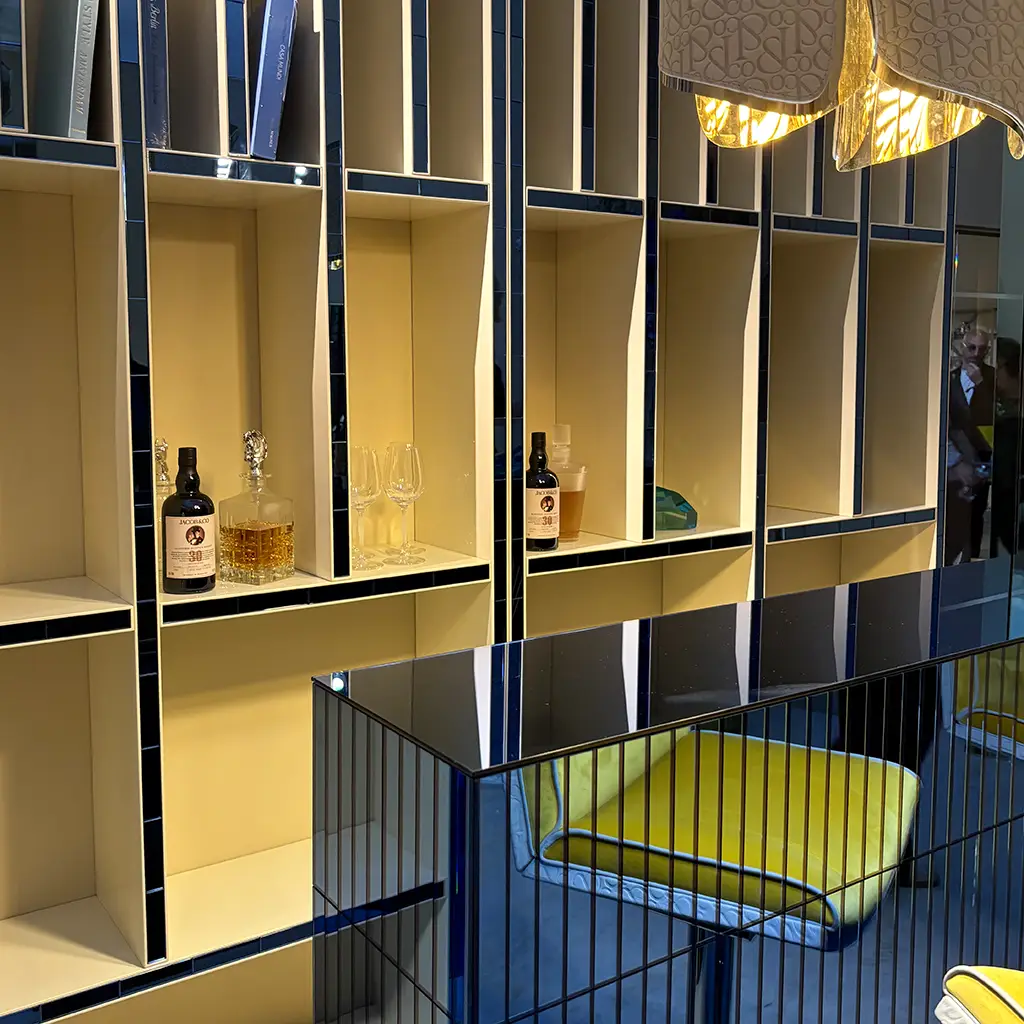
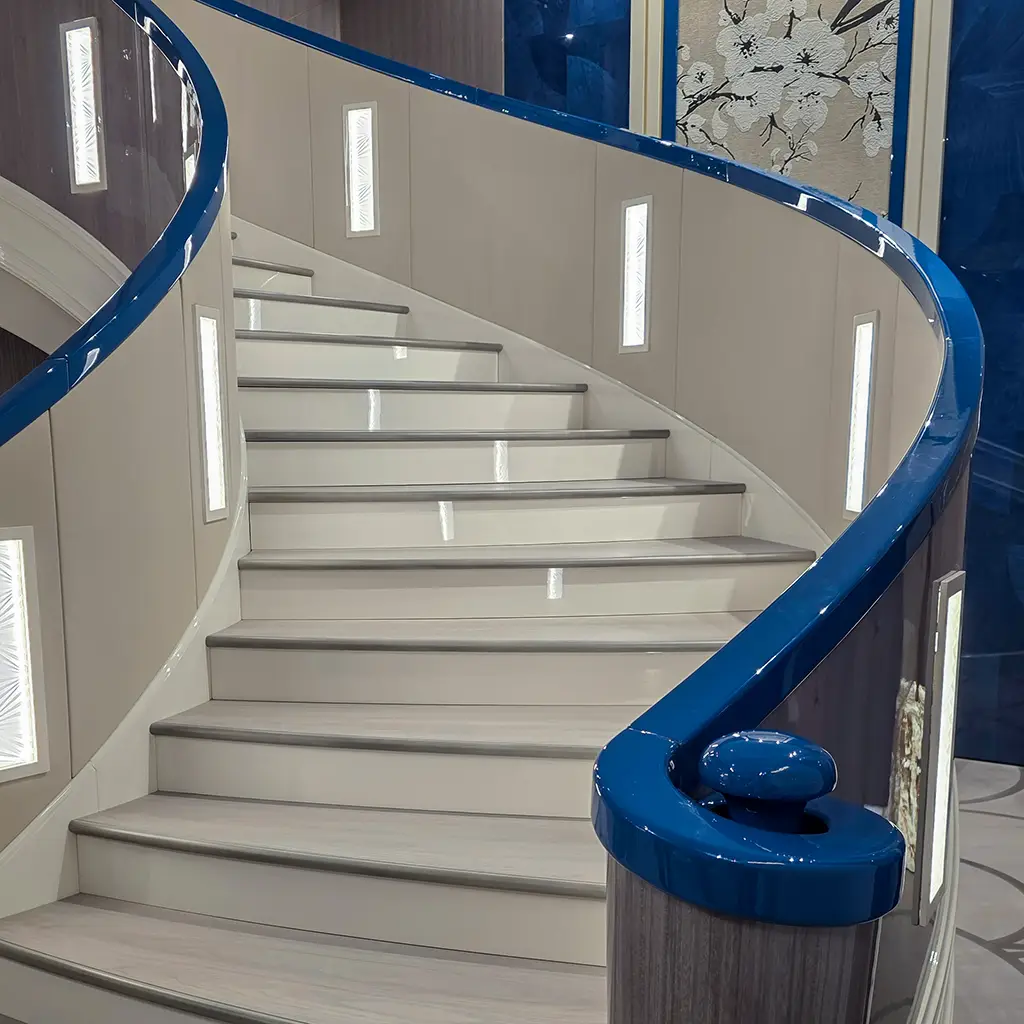
Finishes reflect similar depth. High-gloss surfaces remain relevant but are increasingly paired with matte, soft-gloss, and textured treatments, creating layered, sophisticated environments.
Fashion that Extends Beyond the Runway
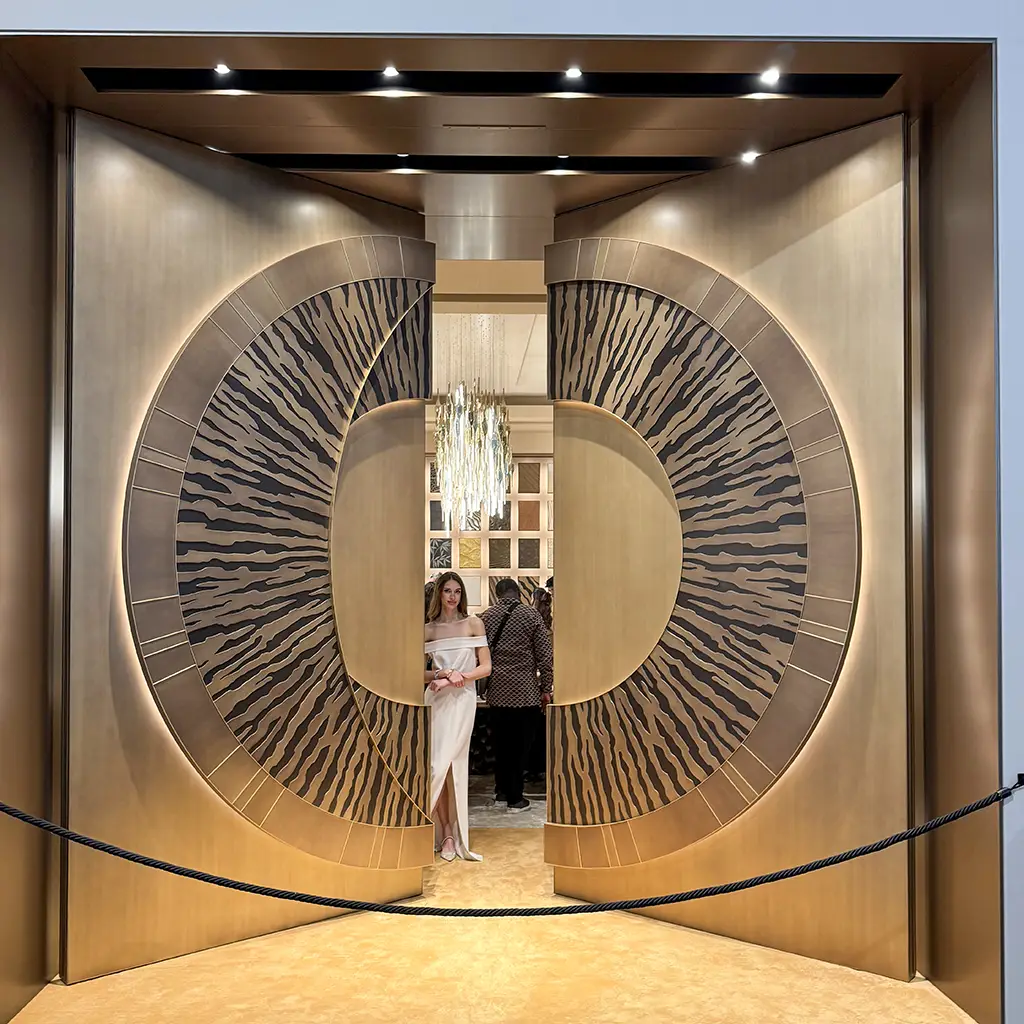
A defining shift at Salone del Mobile in Milan is the growing presence of fashion houses in interior design. Dior, Gucci, Louis Vuitton, Roberto Cavalli, Jacob & Co. i Dolce & Gabbana are no longer presenting standalone products - they are crafting immersive, brand-led spaces. In these environments, the boundaries between fashion, design, and architecture dissolve, and interiors become powerful storytelling tools.
Fuorisalone: When Design Takes Over the City
Alongside the main Salone del Mobile.Milano exhibition, Fuorisalone 2026 reinforced this transformation. For one week, Milan became a living platform of installations, events, and immersive brand experiences.
Through these formats, brands shaped their identity, using showrooms and exhibition spaces to tell cohesive, immersive stories and connect with audiences on a deeper level. This is where design clearly moves beyond the idea of a product, becoming an experience that lingers, resonates, and is meant to be shared.
A Market Between Optimism and Reality
Behind the strong attendance lies a more complex market landscape. Global demand shifts, geopolitical factors, and changing distribution models are reshaping the industry. Major brands are gradually adapting, some moving away from purely “contemporary design” and luxury interiors trends, positioning toward more stable, long-term strategies.
European manufacturers show resilience, refocusing on local production and quality, while certain markets, particularly in Asia and the Middle East, were less present than in previous years. Meanwhile, mass production remains competitive but still does not penetrate the highly customized luxury segment.
Salone del Mobile.Milano: Design as Legacy, Not Consumption
Ultimately, the most important message from Salone del Mobile.Milano 2026 is not about style, form, or even materials.
It is about time.
Where past decades emphasized sustainability through recycling, this year’s Salone del Mobile in Milan sets a new standard in longevity. In a world of fast production and fleeting trends, luxury is increasingly defined by durability - spaces designed to endure, both physically and conceptually.
For EJ Group, this confirms a long-standing approach to contemporary interiors, rooted in the same culture of Italian design excellence seen at Salone del Mobile.Milano.
Within this framework, collaboration with SCM Group, a leader in Italian manufacturing innovation and industry 4.0, enables EJ Group to deliver highly complex, fully bespoke interiors with precision, consistency, and sophistication that reflect the heritage of Italian design.